If you’re a parent, you already know that being overtired or hungry can launch a child into an epic meltdown. It’s even common knowledge among non-parents. When my child is mid-meltdown in a sea of onlookers, I can simply announce “He’s hungry” or “Time for a nap” and I’ll be met with understanding faces.
In addition to hunger and tiredness, there’s another sensation that I’ve noticed that has an extreme effect on my children’s behavior that most people find surprising.
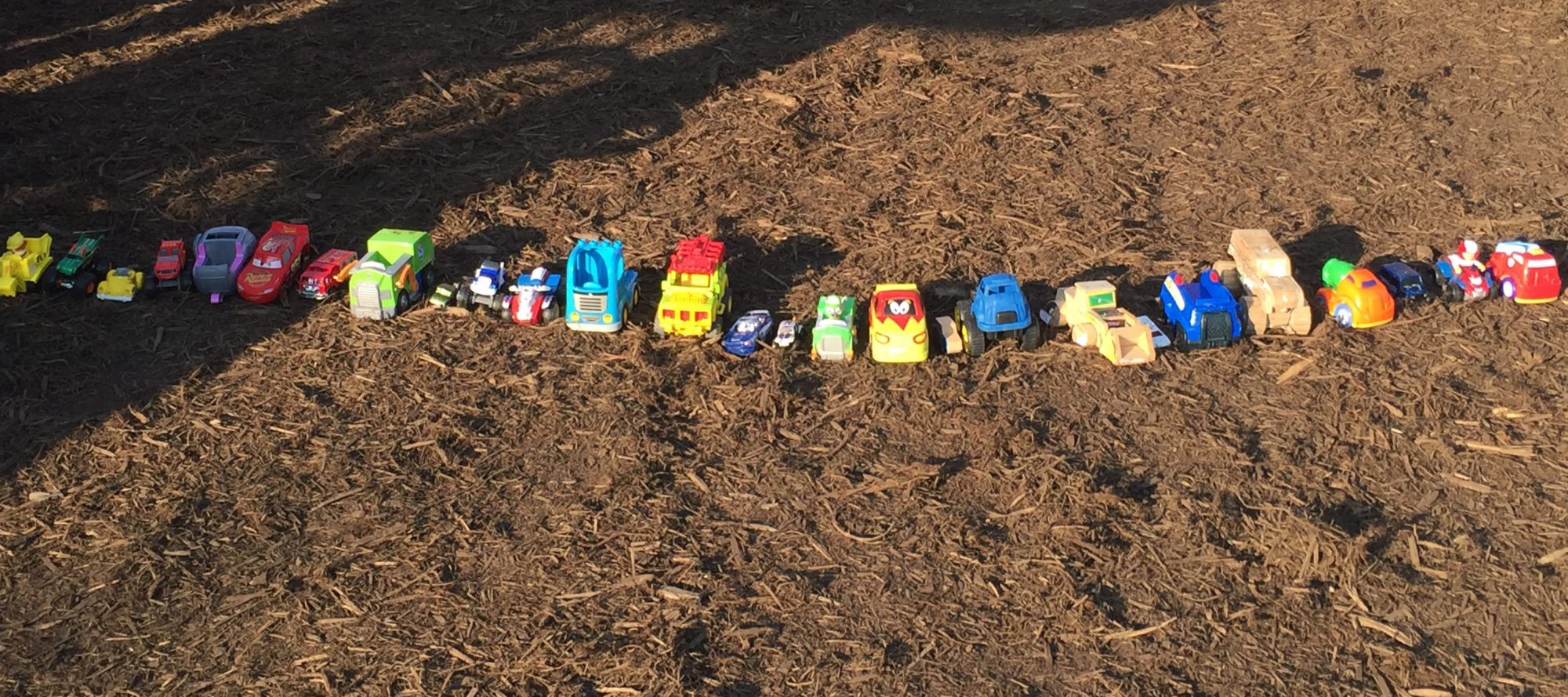
When my oldest was 2 years old, I started noticing a correlation between negative behaviors and needing to go to the bathroom. At his second birthday party, toward the end, he started hitting a friend with a Matchbox car. This was pretty out of character for him and soon it hit me – he’s past due for a trip to the bathroom.
Fast forward a few years and I noticed the same thing with my second child. Then the 3rd and 4th.
One of my kids would be in the throes of a meltdown and I couldn’t find any rhyme or reason for it. Then it would hit me. He hasn’t been to the bathroom in a while. I’d ask if he needed to go and he’d deny it. I’d finally convince him to try, and as the pee flowed out, I could see the tension and agitation in his body melt away. He’d walk out of the bathroom a different kid.
One of my children becomes particularly aggressive when his bladder is full. The same child also has night terrors that are triggered by a full bladder. Over the years, I’ve learned that the only way to stop the night terror and to get this child back to sleep is to hold him over the toilet until he pees. The agitation dissipates before my eyes, I place him back in his bed, and he drifts off to sleep like it never happened.
Why do some kids simply go to the bathroom when they feel the need arise and others appear to not recognize that sensation and let it wreak havoc on their little bodies and minds? The answer is interoception.
Interoception is one of the body’s lesser known senses that allows us to feel and recognize our internal bodily sensations, such as hunger, thirst, fullness, pain, a full bladder, body temperature, and even emotions. If your child has sensory issues in other areas -either under responds or over responds to various sensations like sounds, smells, touch, etc. – or has difficulty regulating their body or modulating their response to sensory inputs, difficulty with interoception may be another factor to consider that may be contributing to meltdowns or other challenging behaviors. One person may feel his or her bladder filling up and recognize the fullness and resulting discomfort and simply go to the bathroom to empty it; a child like mine, however, will not feel this gradual increase in bladder fullness. His body will react to the discomfort by triggering agitation and even aggression, but he won’t be able to tell where this feeling is coming from or why or what to do about it.
My kids need external cues to pick up on these body signals. I sometimes talk out loud about how my body feels and what I’m going to do about it. “I’m getting pretty hungry. It’s making me feel lightheaded and stressed. I’m going to need to eat before I lose my mind. I can help you with that after I eat.”
Or “I can see you squirming. It seems like your bladder may be full. Can you feel that?”
I’ve recently learned that there is even a book written on this very topic called Interoception: The Eighth Sensory System by Kelly Mahler, MS, OTR/L. My kids are apparently not the only ones who struggle with this! It seems to be common among those with neurodevelopmental conditions including autism, ADHD, and even anxiety and eating disorders.
Some day I’m sure they’ll be able to pick up on these feelings on their own. Right now, we’ll continue to work on it and I’m thankful to sometimes have a “quick fix” for challenging behavior in the form of a trip to the bathroom!

 Sensory House Adventures